
Odour Removal
Professional Odour Removal for Padstow Properties
Padstow’s mix of older homes, apartment buildings, and commercial spaces can trap persistent odours from water damage, mould, or sewage backups. These smells don’t just linger - they can spread through wall cavities, ceiling spaces, and ventilation systems, affecting indoor air quality and comfort.
Our odour removal process starts with a detailed inspection to locate the source. Whether it’s hidden moisture in subfloors, contaminated carpeting, or sewage residue in drains, we use industrial-grade equipment to neutralise odours at their root. This isn’t just masking the smell; it’s eliminating it for good.
In high-density areas like Padstow, odours can quickly move between units or through shared spaces. We address the issue comprehensively, ensuring neighbouring properties aren’t affected. Our team also provides practical advice to prevent recurring problems, such as improving ventilation or addressing plumbing vulnerabilities.
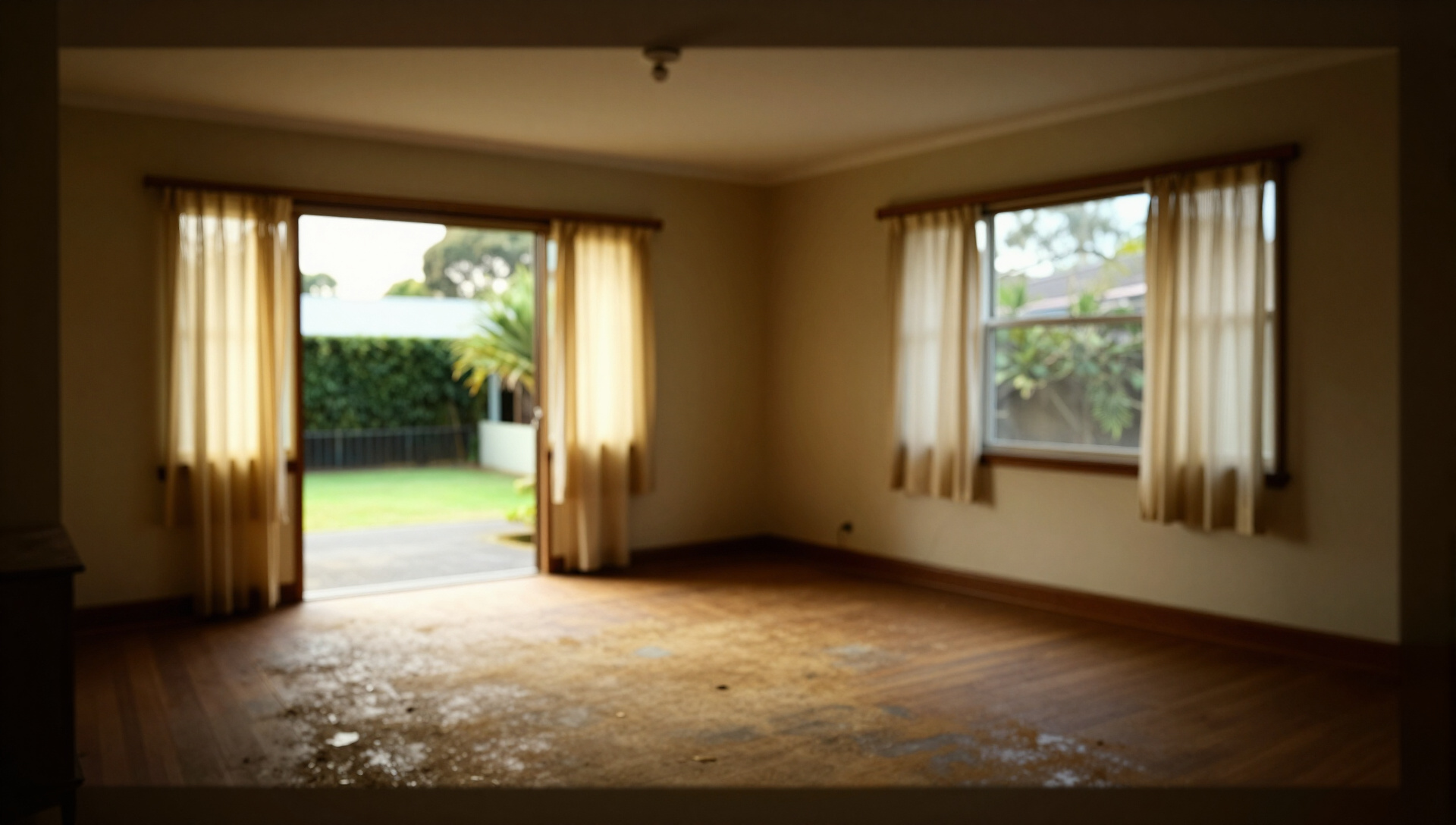
For businesses, lingering odours can deter customers and disrupt operations. We work efficiently to minimise downtime, using fast-drying techniques and odour-neutralising treatments that allow you to reopen as soon as possible.
Signs You Need Professional Odour Removal
Not all odours are obvious. Here’s what to watch for in your Padstow property:
- Persistent musty smells, especially after rain or in humid weather
- Sewage-like odours from drains, toilets, or outdoor areas
- Unexplained sour or rotten smells in carpets, walls, or under flooring
- Odours that return shortly after cleaning or air fresheners
- Visible mould growth or water stains accompanying the smell
- Increased odour in enclosed spaces like garages, basements, or storage areas
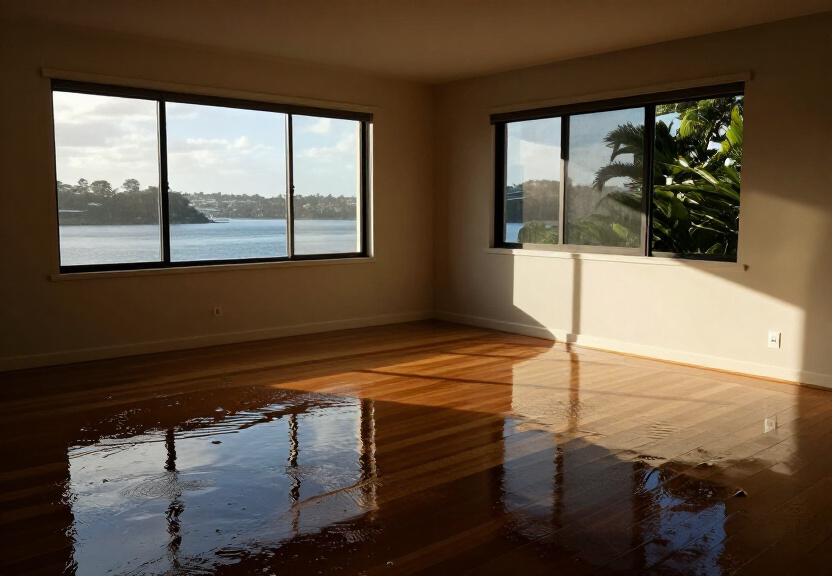
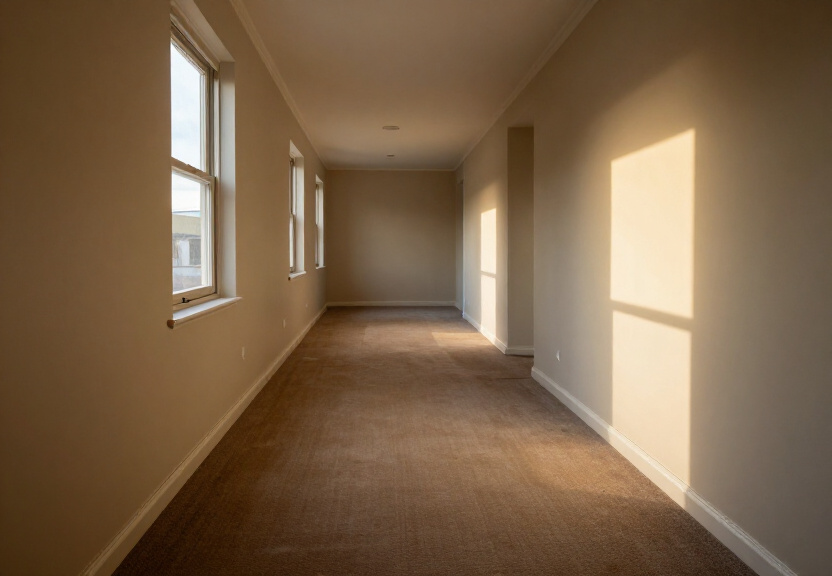
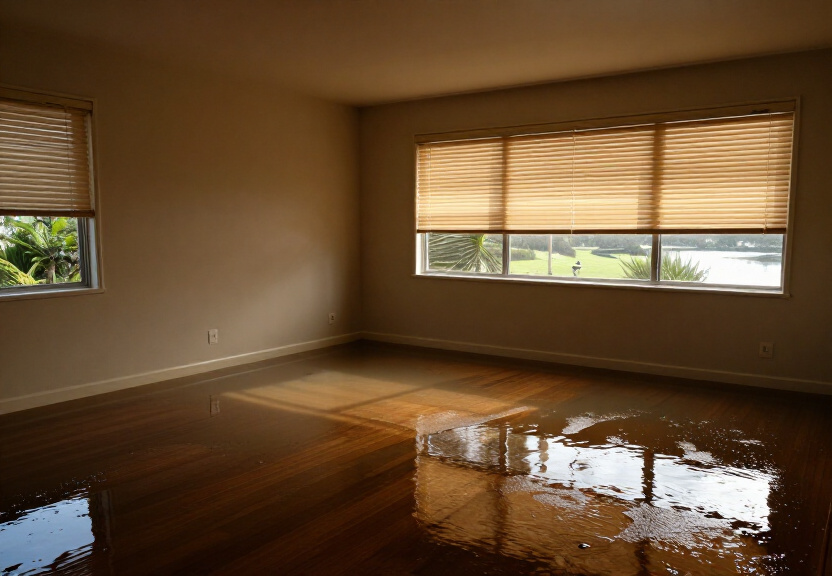
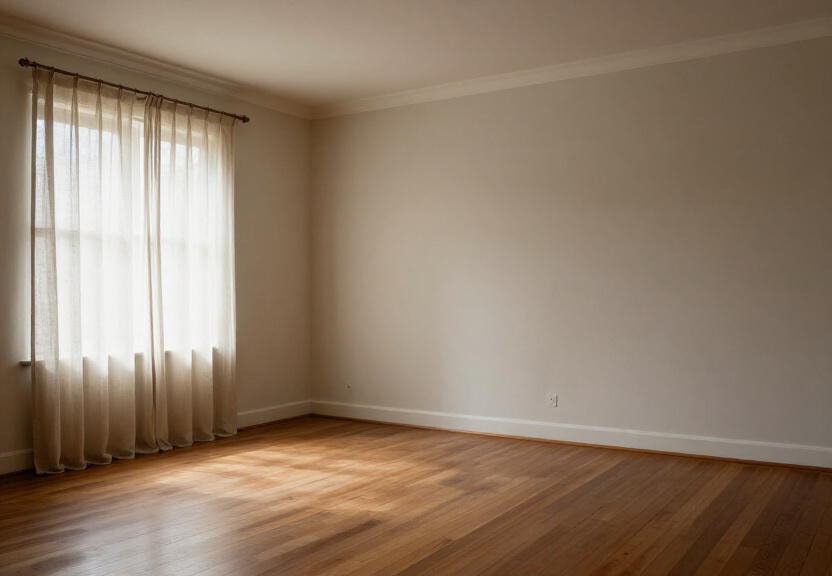
Before and After: Odour Removal in Padstow
See the difference professional odour removal makes in local properties. These examples show how we tackle even the most stubborn smells.
Why Choose Flood Restoration Service Sydney for Odour Removal in Padstow?
- Local expertise in Padstow’s residential and commercial properties
- Same-day response for urgent odour situations
- Industrial-grade equipment for deep sanitation and deodorisation
- Transparent process with clear explanations at every step
- Preventative advice to stop odours from returning
- Discreet service for businesses to minimise disruption
Who We Help in Padstow
Homeowners in Padstow
From older homes with hidden moisture issues to modern apartments with ventilation challenges, we address odours at their source.
- Musty smells in ceiling spaces or under floorboards
- Sewage odours from blocked drains or backups
- Pet or organic odours trapped in carpets or upholstery
Businesses in Padstow
Restaurants, retail spaces, and offices in Padstow rely on us to quickly resolve odours that could impact customers or staff.
- Food-related odours in kitchens or waste areas
- Mould or mildew smells in storage rooms or basements
- Sewage or drain odours affecting customer areas
Benefits of Professional Odour Removal
Improved Indoor Air Quality
Eliminating odours at their source removes harmful contaminants, making your Padstow property safer and more comfortable to occupy.
Prevents Structural Damage
Persistent moisture and mould can weaken walls, floors, and ceilings. Our treatment stops further deterioration.
Restores Property Value
Lingering odours can deter buyers or tenants. Professional removal ensures your property remains appealing and marketable.
Fast, Minimal Disruption
We work efficiently to resolve odours quickly, allowing you to return to normal routines with minimal delay.
Our Commitment to You
We stand by the quality of our work and the effectiveness of our odour removal treatments. If the odour returns due to our service, we’ll address it promptly.
Serving Padstow and Surrounding Areas
We provide odour removal services across Padstow, including nearby suburbs like Revesby, Panania, and East Hills. Whether you’re dealing with a one-off issue or recurring odours, our local team is equipped to respond quickly and effectively.
Frequently Asked Questions About Odour Removal in Padstow
We offer same-day service for urgent odour issues in Padstow. Call us as soon as you notice the problem, and we’ll prioritise your request to minimise disruption.
Yes. We use specialised cleaning and deodorising treatments to remove odours from carpets, furniture, and other soft surfaces without causing damage.
Musty odours are often caused by hidden moisture, mould, or mildew in walls, ceilings, or under flooring. Poor ventilation can also trap these smells, making them linger.
Absolutely. Sewage odours require immediate attention due to health risks. We sanitise and deodorise affected areas to ensure they’re safe and odour-free.
We address the root cause of the odour, whether it’s moisture, mould, or contamination. We also provide recommendations for ventilation, maintenance, or repairs to prevent recurrence.
Yes. We work with businesses in Padstow to resolve odours quickly and discreetly, minimising downtime and ensuring a safe environment for staff and customers.
What Padstow Residents Say About Our Service
"The musty smell in our living room had been there for months. Flood Restoration Service Sydney found the hidden moisture and treated it thoroughly. The odour is completely gone, and the air feels fresher than ever."
"Our restaurant kitchen had a sewage odour that was driving customers away. They arrived the same day, cleaned and deodorised everything, and we were back in business by the next morning. Highly recommend."
"I thought the smell in my garage was just old boxes, but it turned out to be mould. The team was professional, explained everything, and left the space smelling clean. Great service."
Related Services in Padstow
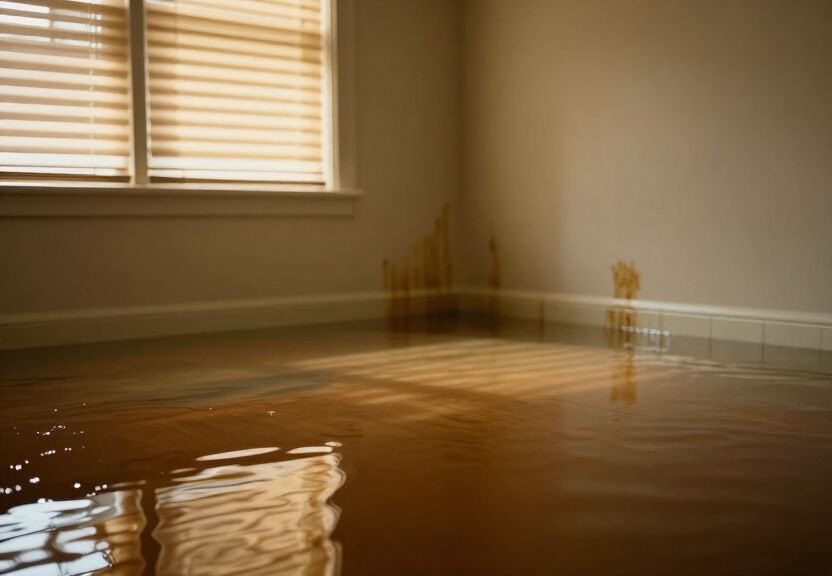
Water Damage Restoration
Water damage restoration brings the property back to a safe, habitable state by assessing affected materials and managing the full drying and repair plan. From water-impacted finishes to documentation needs, the service supports a complete recovery approach.
Learn More →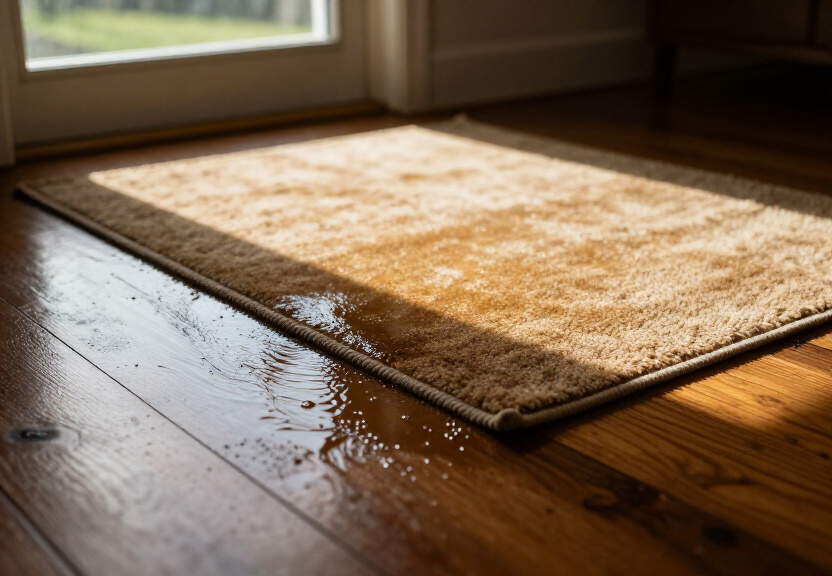
Wet Carpet Drying
Wet carpet drying repositions affected flooring, extracts surface water, and dries fibres and backing without unnecessary reinstallation. Controlled airflow and dehumidification help minimise shrinkage, staining, and persistent dampness that can lead to odours.
Learn More →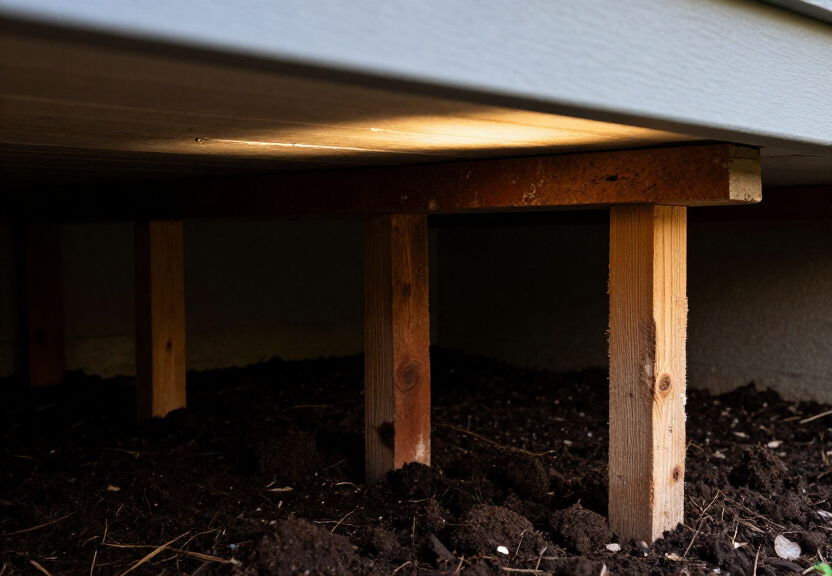
Subfloor Moisture Removal
Subfloor moisture removal tackles dampness beneath flooring where water can pool or wick into timber and other materials. Controlled extraction and drying help protect structural elements and minimise ongoing odour or mould problems.
Learn More →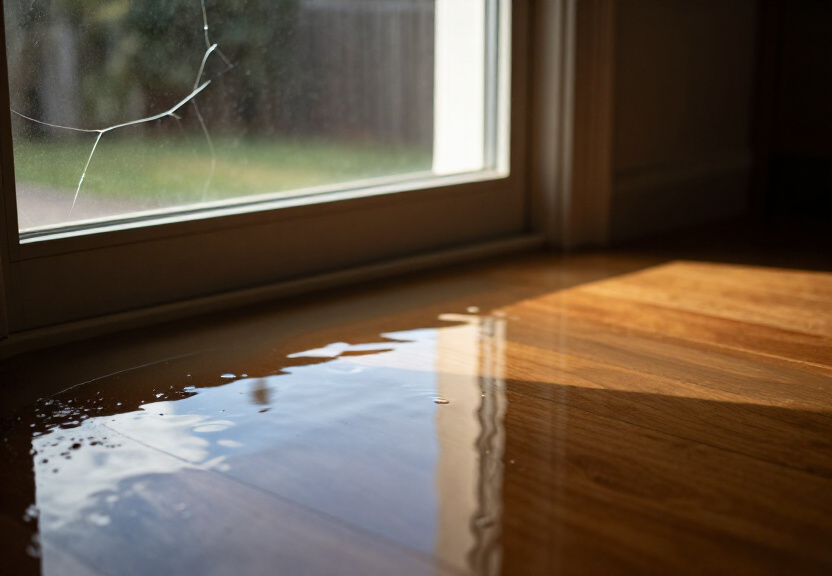
Water Extraction And Removal
Water extraction and removal quickly removes floodwater using appropriate pumps and extraction equipment. Removing bulk water early reduces damage, limits contamination spread, and accelerates the subsequent drying stage for faster recovery.
Learn More →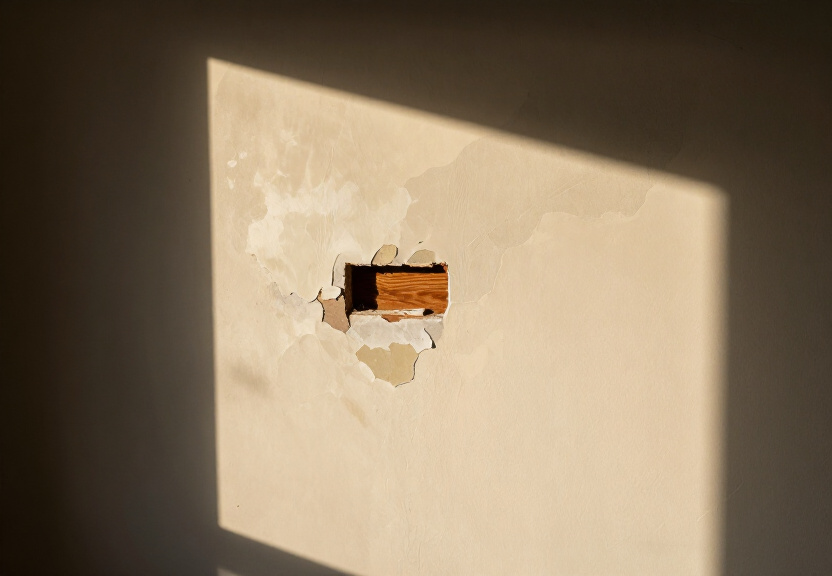
Structural Drying
Structural drying restores building materials to safe moisture levels using calibrated air movers, dehumidification, and continuous monitoring. This reduces risks like swelling, paint failure, and hidden microbial growth inside walls, floors, and roof spaces.
Learn More →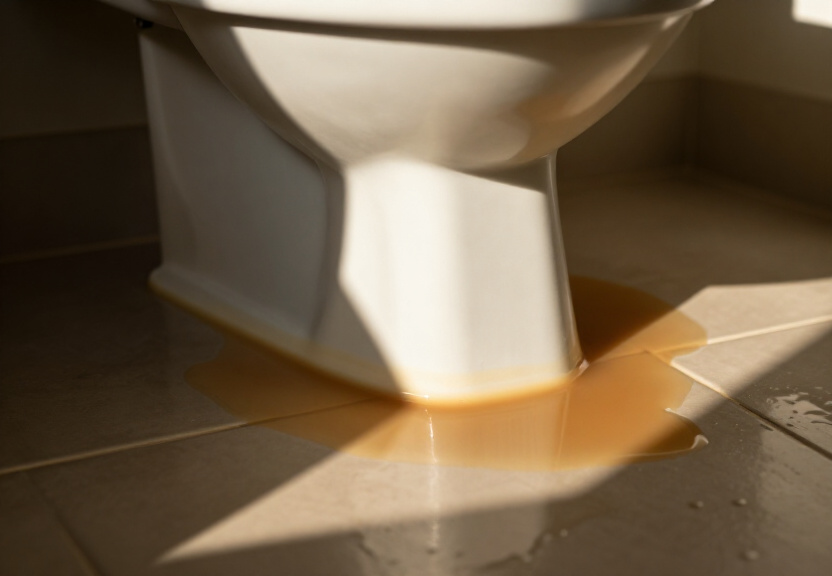
Sewage Cleanup
For contaminated water incidents, sewage cleanup includes removal of soiled residues and thorough disinfection of impacted surfaces. The workflow focuses on health and hygiene, reducing contamination risk while preparing areas for controlled drying and restoration.
Learn More →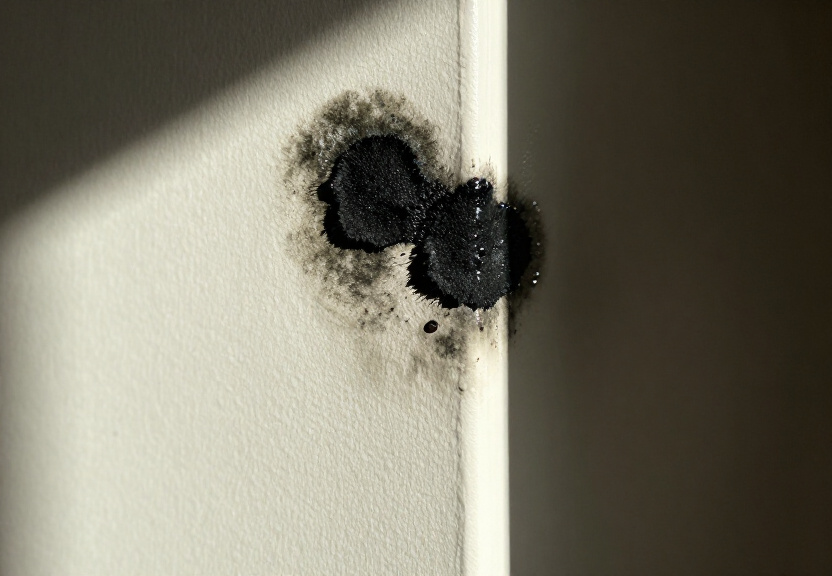
Mould Removal
When mould colonies have formed, mould removal isolates the affected areas and removes contaminated materials safely. After extraction, the space is sanitised so surfaces are ready for drying and rebuild, restoring a cleaner indoor environment.
Learn More →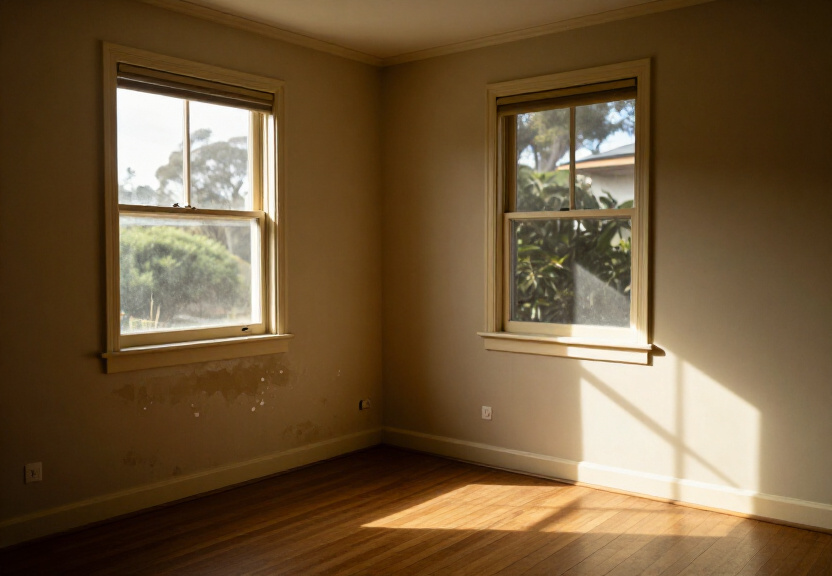
Odour Removal
Persistent flood odours from contaminated finishes and trapped moisture are addressed with targeted odour removal. We use odour control methods designed to neutralise lingering compounds, helping eliminate musty smells rather than simply masking them.
Learn More →
Mould Prevention Treatment
After floodwater recedes, apply mould prevention treatment to affected ceilings, walls, and concealed voids where spores can take hold. The process targets damp substrates and helps reduce the chance of recurring growth while restoration works proceed.
Learn More →